Free Tokens, Real Headaches: The Case for Auditing Your Airdrop Junk Drawer
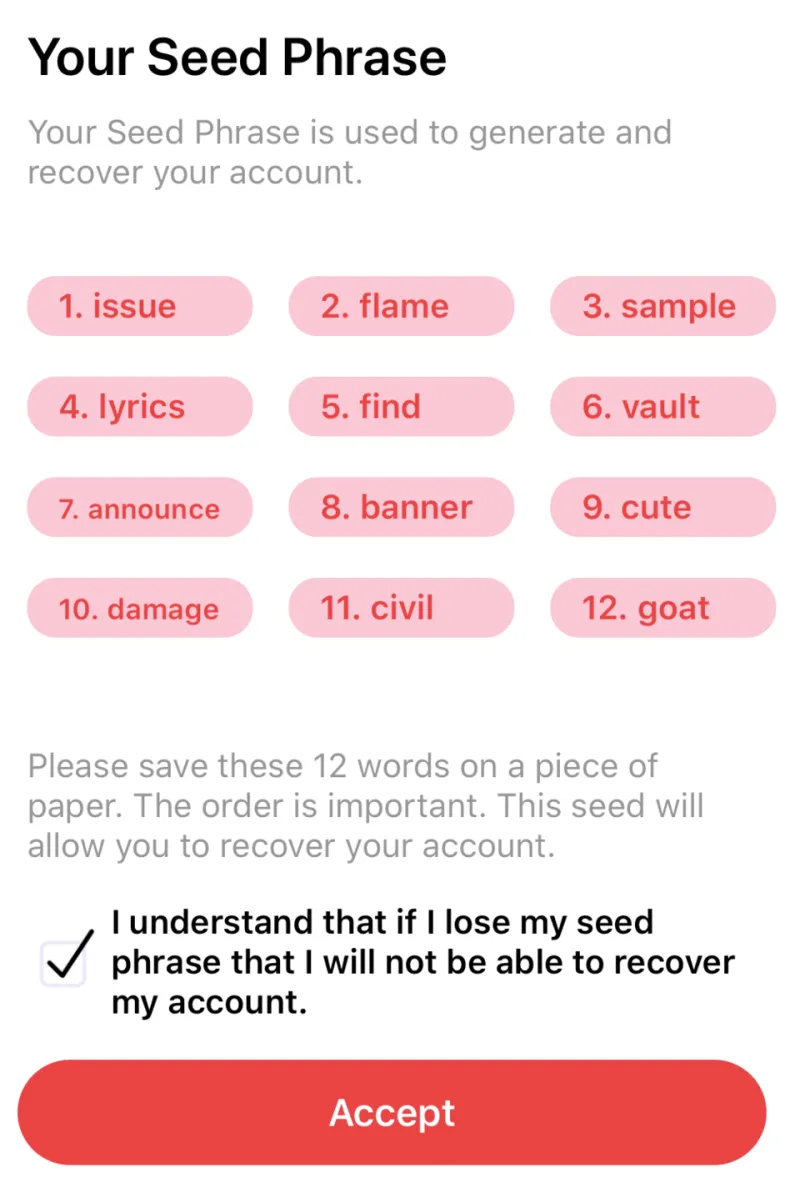
Photo: FlippyFlink, CC BY-SA 4.0, via Wikimedia Commons
Every crypto wallet eventually develops a junk drawer. It is the place where random airdrops land: a governance token from a protocol you have never used, a mystery NFT from a chain you do not remember, and three tokens with names that look like someone fell asleep on a keyboard. It feels like free money. Sometimes it is. Often it is a small, unclaimed liability with a phishing hook attached.
The hidden bill behind free tokens
The first cost is clutter. A wallet full of unknown tokens makes it harder to see what you actually own, and it makes you more likely to click something you should ignore. The second cost is security. Fake claim sites, malicious approvals, and wallet-draining signatures often arrive disguised as airdrops. The third cost is accounting. In the US, an airdrop is not automatically invisible just because you never claimed it or never sold it. If you receive tokens and have control over them, there may be income to report at fair market value, and later sales can create capital gains or losses. That is a recordkeeping problem before it is a tax problem.
Start with a wallet audit, not a claim spree
Open a block explorer for each wallet you use and export the token list. Label what you recognize and flag what you do not. Check values on a reputable aggregator, but do not interact with a token just to see what it does. Use a revoke tool to review approvals, especially for contracts you do not remember approving. If a wallet has significant value, move the important assets to a fresh wallet and keep the messy one as a dedicated airdrop wallet with very little gas in it.
The goal is separation. Your main wallet should not be the same place where you test unknown contracts, claim random tokens, or sign messages from projects you have never heard of.
Safe claim practices
Never click a claim link from a direct message. Type the official project site into your browser, and verify the contract address from multiple official sources. Use a burner wallet for claims, and keep your hardware wallet away from the claim page. Read the approval request before you sign. If a site asks for your seed phrase, it is a scam. If it asks for an unlimited token approval, think twice. If the claim requires gas that is larger than the value of the token, the math is already telling you something.
Test with a small claim first when possible. After claiming, revoke unnecessary approvals. Do not connect your main wallet to a site just because the interface looks polished.
Recordkeeping that saves you later
For every airdrop you claim, record the date, the token, the quantity, the fair market value in US dollars at receipt, the source, the transaction hash, and the wallet used. Take a screenshot of the claim page and the transaction. Put it in a spreadsheet and back it up. If you later sell, you will need the acquisition date and value to calculate gain or loss. If you never claim, you may have a different situation, but do not assume silence equals zero paperwork. Talk to a CPA who understands crypto.
When leaving free tokens untouched is the smart move
Some airdrops are not worth the gas, the risk, or the accounting headache. Leave them alone if the contract is unverified, the claim site is unofficial, the token has a transfer tax or honeypot pattern, or the project is asking for a signature you do not understand. Ignoring a token is not the same as interacting with it. You can leave it in the wallet, label it as junk, and move on. Just do not let it sit in the same wallet as your serious holdings.
A quarterly junk-drawer routine
Every quarter, do a short review. List new tokens, check approvals, revoke what you do not need, update your records, and decide whether anything is worth claiming. Keep the airdrop wallet separate. Set a calendar reminder. The routine takes less time than recovering from a wallet drain or rebuilding a cost-basis spreadsheet from memory.
UranusCoin's view is straightforward. Free tokens are not free if they cost you sleep, security, or tax chaos. Audit the junk drawer before it audits you.
This is not financial or tax advice.