Cult Physics: Why Worthless Tokens Develop Gravitational Pull and Eventually Implode

There's a weird phenomenon in crypto that doesn't exist anywhere else in traditional finance. A token with zero revenue, anonymous developers, a recycled whitepaper, and a total supply measured in quadrillions can somehow attract thousands of devoted holders who will argue with strangers on the internet at 2 a.m. to defend their investment. Not because the fundamentals are good. Not because there's a working product. But because something clicked, spread, and created its own reality.
This isn't random. There's a repeatable pattern to how low-quality tokens develop cult-like followings—and understanding that pattern might be the most practical piece of investor education you'll ever absorb.
The Spark: How a Nothing Token Becomes a Something
It usually starts with a meme, a celebrity tweet, or a name that triggers a reaction. Doge started as a joke. Shiba Inu piggybacked off that joke. Countless others have hitched themselves to trending topics, political figures, pop culture moments, or just a dog with a funny face. The token doesn't need to do anything useful. It needs to feel like it's part of something.
Once that initial spark lands on social media—Reddit, Twitter/X, TikTok, Telegram—it gets amplified through shares, memes, and community-building. The content is funny, relatable, or weirdly inspiring. People who've never bought crypto before create wallets just to participate. That new demand pushes the price up, and the price going up becomes the story. The cycle feeds itself.
At this stage, fundamental analysis is basically irrelevant. The token's tokenomics could be a disaster. The team could be anonymous wallets with no track record. The contract could have a mint function that any developer would flag as a red alert. None of it matters yet because the social gravity hasn't peaked.
The Feedback Loop: Why It Keeps Going Longer Than It Should
Here's where it gets interesting—and dangerous. Once a low-quality token develops momentum, several self-reinforcing mechanisms kick in that can sustain the price far longer than logic would predict.
Social proof compounds. When someone sees their cousin made $4,000 flipping a dog-themed token, they buy in. When their coworker does the same, they buy more. Gains get posted publicly. Losses don't. The information environment around these tokens is almost entirely positive, which creates a distorted picture of reality for anyone new coming in.
Community identity locks people in. This is the part that's genuinely fascinating from a psychological standpoint. Holders don't just own a token—they become part of a tribe. They use the token's imagery as their profile picture. They post daily. They recruit friends. Selling feels like betrayal, not just financially but socially. The sunk cost fallacy meets identity politics, and the result is holders who will rationalize almost anything to avoid admitting the investment was a mistake.
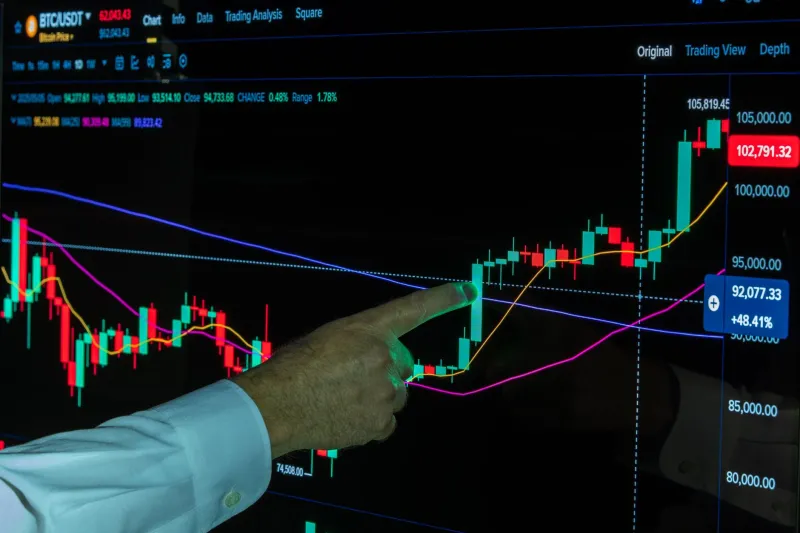
Retail FOMO does the heavy lifting. When a token goes from a fraction of a penny to half a cent and the charts are going vertical, the fear of missing out overwhelms skepticism. People who know it's probably a bad investment buy anyway because the price is moving right now and standing on the sidelines feels worse than being wrong together with everyone else.
Liquidity creates the illusion of legitimacy. As trading volume climbs, the token gets listed on more platforms. It shows up on aggregators. It gets a CoinGecko page. Each of these milestones reads like validation to people who aren't sure what validation actually looks like in crypto.
The Collapse: Why Gravity Wells Always Win
Here's the part the community Discord won't tell you. Every one of these feedback loops has a ceiling, and when you hit it, the reversal is usually brutal.
The early buyers—often the developers or connected wallets—are sitting on enormous unrealized gains. At some point, they sell. Not all at once, sometimes. But the supply hitting the market doesn't need to be massive to break the spell. When price stops going up, the social proof engine runs in reverse. Posts about gains dry up. The funny memes start feeling hollow. New buyers stop arriving.
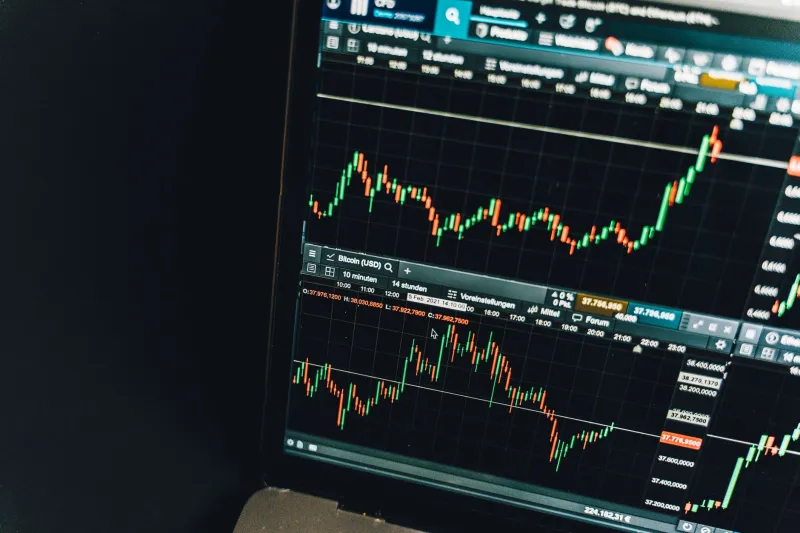
Without fresh capital flowing in, the token's price has nowhere to go but down. And because the community is largely composed of people who bought at higher prices and are emotionally attached, the sell-side pressure builds slowly at first, then all at once. Liquidity drains. Spreads widen. The token that was supposedly "going to flip Ethereum" is now down 94% from its all-time high and the Telegram group has gone quiet.
The wealth destruction in these collapses is real and concentrated. The people who got in early—often insiders—extracted value from the people who arrived later. It's not a conspiracy, exactly. It's just the math of how these systems work when there's no underlying value creation to sustain the price.
How to Spot the Gravity Well Before It Swallows You
None of this means you can never trade speculative tokens. Some people navigate these cycles profitably by treating them as what they are: momentum plays with a hard expiration date. But you need a framework.
Watch the wallet concentration. Tools like Etherscan, BubbleMaps, or DEX screeners can show you how concentrated token holdings are. If the top 10 wallets hold 60%+ of supply, you're one coordinated sell from a cliff.
Check the liquidity depth. A token with $200,000 in liquidity can't absorb meaningful selling pressure without serious slippage. Low liquidity means exits are expensive and slow when everyone wants out at the same time.
Ask who profits if you buy. If the answer is "early holders who are already up 10,000%," you're not early. You're the exit.
Set a mental or hard stop before you enter. The community will always have a reason why this dip is different, why it's going to recover, why diamond hands will be rewarded. Decide in advance what price means you were wrong, and respect it.
Separate entertainment from investment. Some people buy small amounts of meme tokens the same way they'd buy a lottery ticket—for the experience, not the expectation. That's a valid choice if the sizing is appropriate. It becomes a problem when "fun money" turns into rent money because the chart looked too good to ignore.
The Outer Limit of Speculation
Crypto has always had a speculative edge, and that's not entirely a bad thing. Risk appetite drives capital into genuine innovation. But the gravity wells created by cult tokens are different—they're not funding innovation. They're redistributing wealth from latecomers to early holders under the cover of community and memes.
The physics always win eventually. Mass without substance collapses. The question is whether you're out before it does.