Eighteen Months of Red: A Survival Manual for the Long, Dark Crypto Winter

Photo: Needsmoreritalin, CC BY-SA 4.0, via Wikimedia Commons
Think Like a Deep-Space Mission
Every long-duration space mission is designed around one brutal constraint: you can't resupply. The astronauts get exactly the power, oxygen, and food they need for the whole trip, plus margin for things going wrong. There's no store on the way to Mars.
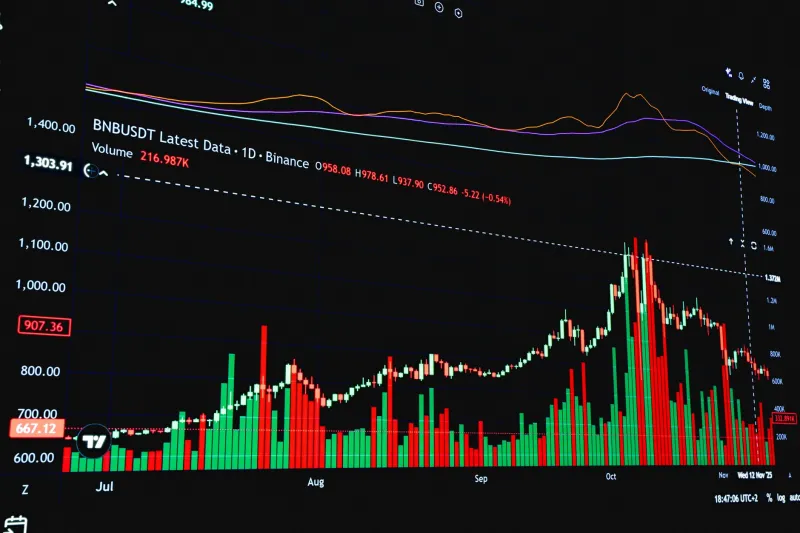
A crypto bear market is the same trip. The chart stays red for 12 to 18 months, sometimes longer. Nobody's sending fresh capital at good terms. The investors who make it through aren't the ones with the best entries — they're the ones who packed correctly before launch. Here's the packing list.
Power Reserves: Position Sizing Before the Storm
The single most common bear market death isn't a bad trade. It's being fully allocated with zero dry powder when prices get genuinely interesting.
A workable framework for US retail investors:
- Never let crypto exceed a percentage of your net worth you could lose without changing your life. For most people that's somewhere between 1% and 10%. This sounds boring. Boring is the point.
- Keep a cash reserve denominated in boring dollars. Not stablecoins yielding 18% on some protocol — actual dollars, in an actual account, earning an actual boring yield. When the market capitulates, the person with cash is the one buying, not the one selling.
- Dollar-cost average in, and — this is the part nobody does — dollar-cost average out on the way up. Taking profits isn't treason. It's fuel for the next mission.
Life Support: Tax-Loss Harvesting, the Legal Way
Here's the one genuine advantage American crypto investors have over almost everyone else: since 2019, the IRS has treated crypto as property, which means the wash-sale rule — the one that blocks stock investors from harvesting losses — historically hasn't applied to digital assets.
What that means in practice: you can sell a losing position, book the loss against your gains (up to $3,000 per year against ordinary income), and buy right back in. Check with a tax professional, because the rules keep evolving and legislation could close this door — but as of now, it's one of the few gifts the tax code gives crypto holders.
A few practical notes:
- Harvest losses in December, before year-end, but don't wait until the last week if an exchange is having withdrawal issues.
- Keep meticulous records. Exchanges get hacked, go bankrupt, or lose your transaction history. A spreadsheet you control beats a CSV you hope still exists.
- Losses carry forward indefinitely, so a brutal bear market harvest can shield gains for years.
Communication Discipline: Stop Reading the Chart
The psychological toll of 18 months of red is real, and it's not a character flaw. Watching your portfolio bleed daily activates the same stress responses as a physical threat. You will make your worst decisions in month 14, when you've stopped thinking clearly and started thinking emotionally.
Countermeasures that actually work:
- Delete the price widgets. Checking daily adds information you can't act on and stress you can't use. Weekly is plenty. Monthly is better.
- Pre-commit your plan in writing. Decide now, while calm, what you'll do if your portfolio drops another 50%. When the moment comes, you follow the document instead of your nerves.
- Curate your feed. Bear markets are a content ecosystem of doom-posters and capitulation threads. Mute liberally.
- Touch grass, literally. The crypto market will still be there after your weekend hike. Your sanity might not be.
The Reentry Point
Here's the thing about bear markets that's easy to forget in month 15: they end. Every single one, in every asset class, in every era, has ended. The people who did best weren't geniuses — they were the ones still holding capital and composure when the turn came.
Pack your reserves. Harvest your losses. Protect your mind. The sun comes back. Your job is just to still be there when it does.